Shackling Crisis
The Shackling Crisis was one of the strangest disputes involving prisoners of war during the Second World War. It began after the disastrous Dieppe Raid of 19 August 1942 and developed into an escalating series of reprisals between Germany, Britain and Canada.
British commandos had been permitted to tie German prisoners when battlefield conditions made it necessary, particularly to prevent escape, resistance or the destruction of documents. After Dieppe, German forces recovered written orders referring to the binding of prisoners and claimed that captured German soldiers had been found with their hands tied. Similar allegations followed the British commando raid on Sark in October.
Germany declared that this treatment violated international law and demanded an absolute prohibition. Britain answered that it had never authorised the routine binding of prisoners once they were safely in custody, but argued that temporary restraint could sometimes be necessary during combat.
On 8 October 1942, Germany retaliated by shackling 1,376 British and Canadian prisoners, including many of the almost 2,000 Canadians captured at Dieppe. Britain announced that it would place an equal number of German prisoners in chains, and Canada reluctantly agreed to participate despite fears that the decision would bring further suffering upon Canadians held in Germany.
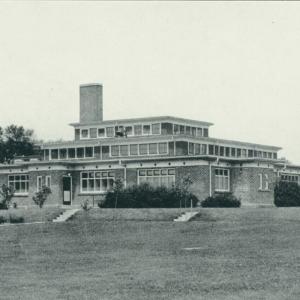
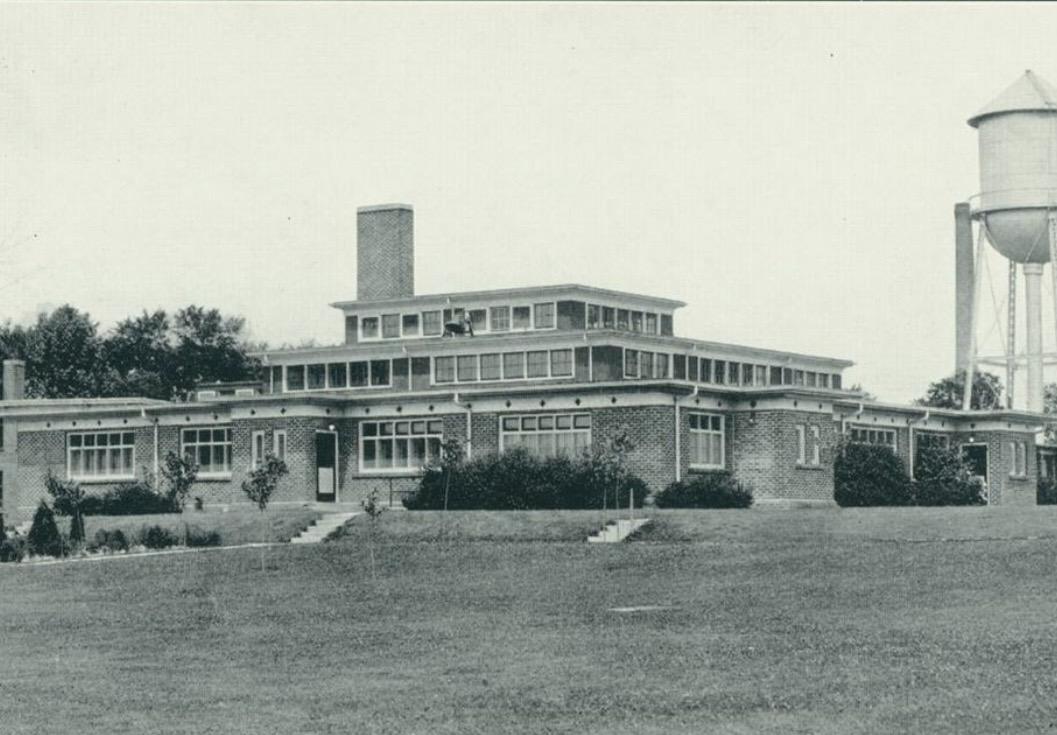
The order caused serious trouble at Camp 30 in Bowmanville, Ontario, where several hundred senior German officers were held. When the Canadian authorities attempted to select approximately 100 men for shackling, the prisoners refused to cooperate. They barricaded themselves inside buildings and armed themselves with furniture, bottles, wooden clubs, hockey sticks and baseball bats.
From 10 to 12 October 1942, the camp descended into disorder. Canadian guards and reinforcements used tear gas and high-pressure fire hoses to regain control, leading to fierce hand-to-hand fighting. Numerous prisoners and Canadian personnel were injured, although nobody was killed. The confrontation became known as the Battle of Bowmanville.
Canada was placed in an extremely difficult position. It held thousands of German prisoners and had earned a reputation for treating them correctly under the Geneva Convention, yet Canadian servicemen remained vulnerable in German hands. Every Canadian reprisal risked provoking an even harsher German response.
Britain and Canada stopped shackling German prisoners on 12 December 1942, hoping Germany would do the same. Germany refused, and Canadian and British prisoners continued to endure periods in handcuffs, ropes or chains. At some camps the practice gradually became little more than a humiliating ritual, with restraints worn only during morning and evening roll calls.
Diplomatic pressure continued through neutral Switzerland and the International Committee of the Red Cross. On 22 November 1943, Germany finally stopped the shackling without formally withdrawing its original order.
What began as a battlefield security measure had become an international confrontation involving thousands of prisoners who had no control over decisions made in London, Ottawa or Berlin. The Battle of Bowmanville remains its most dramatic Canadian episode and a powerful example of how wartime retaliation could reach far beyond the battlefield.