On this day in military history…
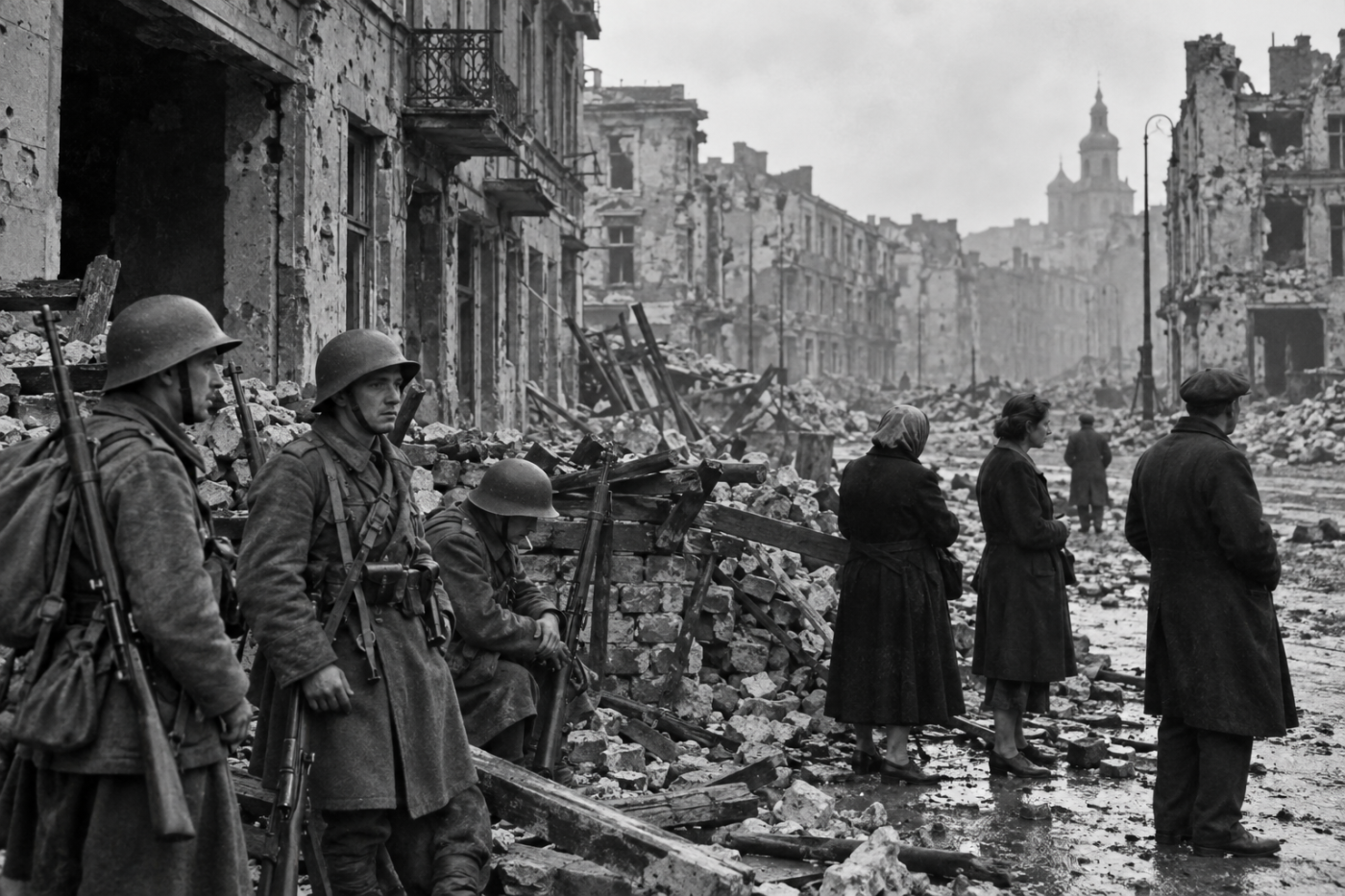
On 28 September 1939, Warsaw formally surrendered to German forces after nearly three weeks of siege. By then, much of the Polish army had been driven back or cut off, yet the capital had continued to fight. Its defence began with hurried preparations: soldiers and civilians raised barricades across the main roads, dug trenches and turned buildings into strongpoints. General Walerian Czuma organised the city’s defences with the help of Warsaw’s mayor, Stefan Starzyński, while General Juliusz Rómmel commanded the wider Warsaw Army. When German tanks reached the outskirts on 8 September, the first assault was repelled. The city had shown that it would not be taken in a single rush.
As the German siege tightened, Warsaw became a refuge for Polish troops withdrawing from battles elsewhere. The defenders held positions on both sides of the River Vistula, including the eastern district of Praga, while attacks from the air and artillery fire struck far beyond the front line. Civilians helped build obstacles, carried supplies and worked to keep essential services operating. Starzyński remained in the city, appealing to its people to stand firm. But each day of resistance brought more wounded into the hospitals, more families into shelters and more buildings down into the streets.
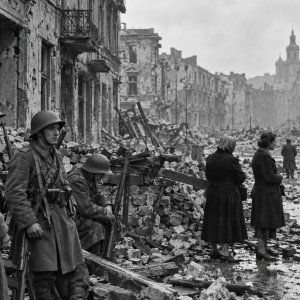
The worst destruction came on Monday 25 September, remembered in Warsaw as “Black Monday”. German aircraft attacked in waves, dropping explosive and incendiary bombs while artillery continued to fire. Flames spread through residential streets and public buildings. Hospitals were hit, and damage to the water supply made the fires harder to fight. With electricity gone and medical facilities overwhelmed, the city was losing the means to care for its wounded or sustain its population. Soldiers were still holding their positions, but the suffering behind them had become central to the decision facing their commanders.
On 26 September, German troops launched another assault and captured several outer forts. Polish defenders continued to resist, including on the approaches through Ochota, but the military leaders decided that prolonging the siege would bring further devastation to the civilians trapped inside Warsaw. The following day, General Tadeusz Kutrzeba met General Johannes Blaskowitz, commander of the German 8th Army, to negotiate the terms. General Czuma then ordered the fighting to cease. For men who had held their ground through repeated attacks, accepting that order was bitter.
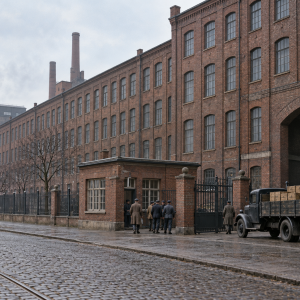
At 1.15 p.m. on 28 September, Kutrzeba and Blaskowitz signed the formal capitulation at the former Skoda aircraft engine factory in Rakowiec. Polish troops began preparing to surrender their weapons, while civilians emerged to confront the damage around them. Some defenders reacted with anger or wept at the thought that their sacrifice had ended in surrender. Others understood why the city could endure no more. Starzyński told Warsaw’s residents that the broken water supply and shortage of food had made continued defence impossible, and thanked them for their courage throughout the siege.
The surrender of Warsaw did not mean that Poland had given up the fight. On 27 September, even as capitulation was being negotiated, a clandestine military organisation was formed in the city to continue resistance under occupation. Polish forces were still fighting elsewhere in the country. For Warsaw, however, 28 September marked the end of an extraordinary defence and the beginning of a far darker chapter. Its soldiers and civilians had held out for weeks against overwhelming force; the city they had defended was left scarred, and German occupation lay ahead.