On this day in military history…
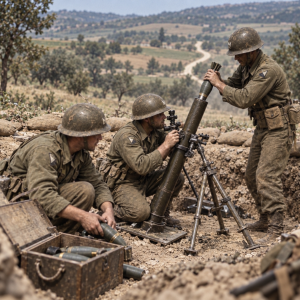
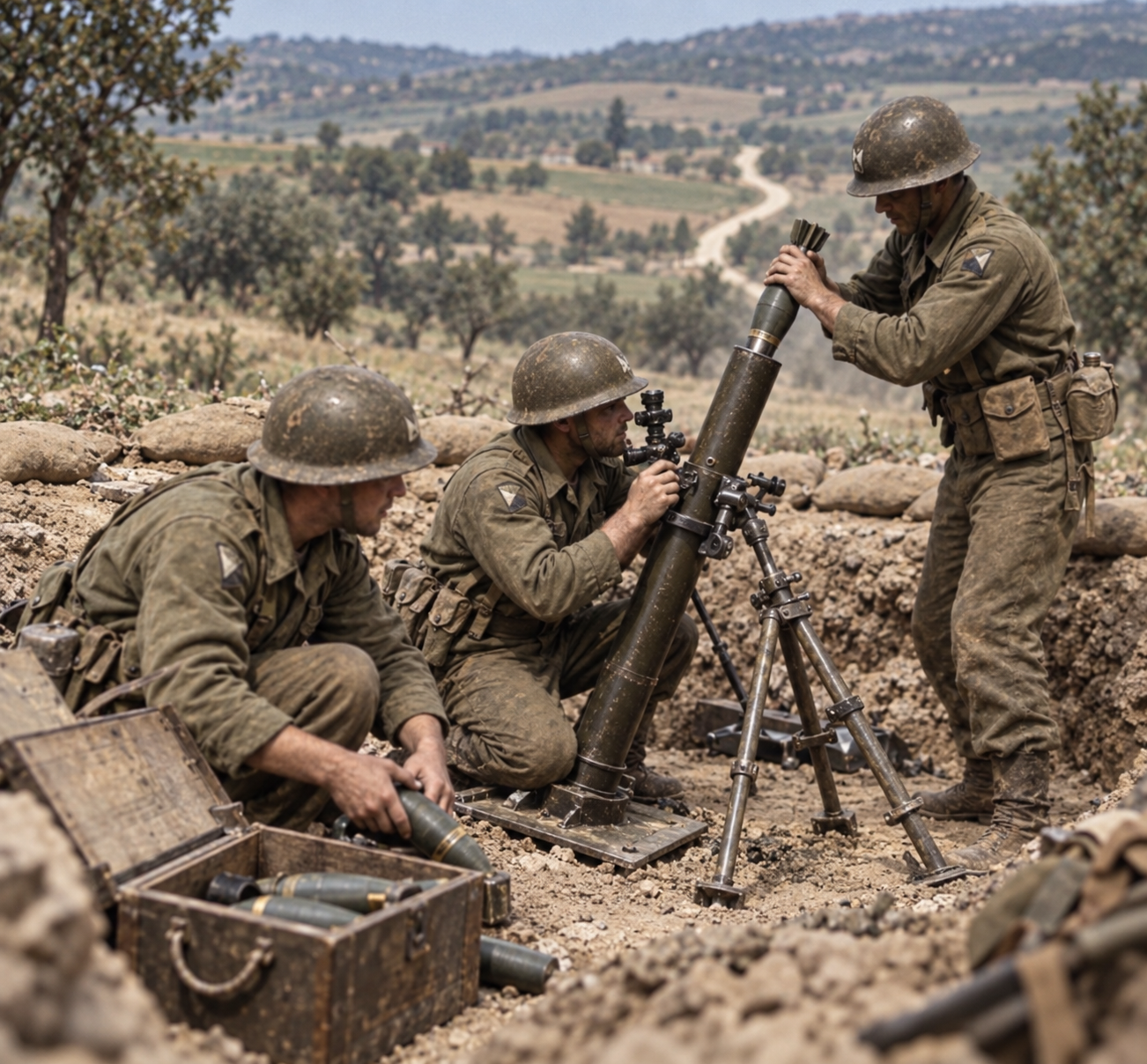
On 2 October 1939, Polish soldiers began what would become the final battle of their country’s campaign against Germany. The fighting opened near Kock, north of Lublin, more than a month after the invasion. Warsaw had fallen and the Soviet Union had attacked from the east, yet General Franciszek Kleeberg still commanded roughly 17,000 men who had neither been defeated nor laid down their arms. His Independent Operational Group Polesie had been assembled from infantry, cavalry and reserve units in eastern Poland. After the Soviet invasion cut off the routes south, Kleeberg led them west in the hope of helping Warsaw. News of the capital’s surrender ended that plan, but his force remained organised and continued towards central Poland, despite having few heavy weapons and dwindling supplies.
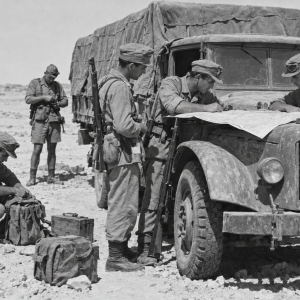
Near Kock, the Poles encountered the German 13th Motorised Infantry Division. Its attack on 2 October was repelled, and Kleeberg’s troops went onto the offensive. Over the following days, infantry and cavalry fought across the surrounding villages and countryside. The Germans counter-attacked on 4 October and brought in their 29th Motorised Infantry Division. Kleeberg sent part of his force to meet it while concentrating his main attack on the 13th. By 5 October, the Poles had forced that division to withdraw.
Their success on the battlefield could not overcome the lack of ammunition, food and medical supplies. With wounded men needing care, Kleeberg decided that further fighting would cost lives without changing the outcome. He ordered his troops to stop and formally surrendered on 6 October. Approximately 17,000 Polish soldiers passed into German captivity. Many had fought through the entire campaign, only to put down their weapons days after most of the country had fallen.
The prisoners were separated and sent to different German prisoner-of-war camps. Kleeberg was held at Oflag IV-B in Königstein fortress in Saxony and died in a Dresden hospital on 5 April 1941. Some wounded Polish officers from the fighting at Kock were sent to Oflag IV-C at Colditz, while other officers and enlisted men were dispersed elsewhere. There is no established account of a mass execution of Kleeberg’s men following their surrender. German forces did murder Polish prisoners during the wider 1939 campaign, but those crimes should not be attributed to the captives from Kock without evidence.
The Battle of Kock ended the fighting of Poland’s last major regular formation in the 1939 campaign. Its soldiers had resisted after the fall of Warsaw and after invasion from both sides had made their position impossible to sustain. Their final attacks showed they could still fight; the emptying ammunition stocks determined when they had to stop.