On this day in military history…
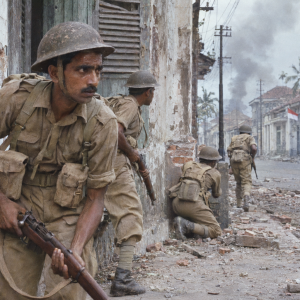
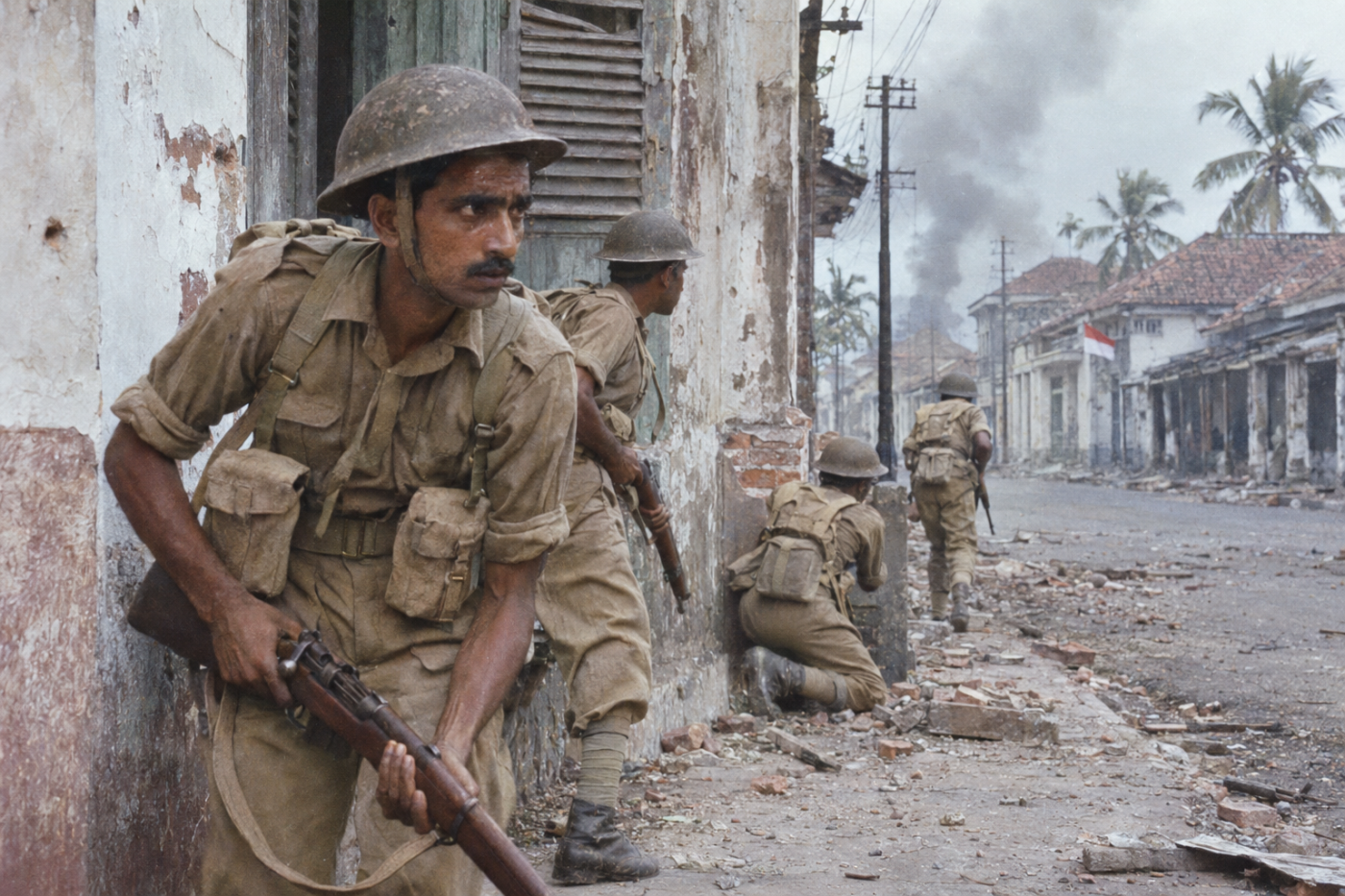
On 10 November 1945, British and Indian troops began fighting their way into the Indonesian city of Surabaya, supported by naval gunfire and aircraft overhead. Japan had formally surrendered more than two months earlier. Across Britain, victory had been celebrated and families were waiting for servicemen to return. Yet in East Java, soldiers who had survived the Second World War were facing another battle.
The collapse of Japan’s empire had left a dangerous struggle over who would govern its former conquests. Indonesia had been ruled by the Netherlands before the Japanese invasion, but Indonesian nationalists declared independence on 17 August 1945. For them, Japan’s defeat offered the chance to build their own country. The prospect of European colonial rule returning was something many were prepared to fight against.
British forces entered this unsettled situation under Allied arrangements for dealing with Japan’s surrender. Their immediate duties included disarming Japanese troops, freeing Allied prisoners of war and protecting civilian internees. But these tasks became entangled with Dutch plans to recover their colony. To Indonesian fighters, the arrival of foreign soldiers threatened the independence they had just proclaimed.
On 25 October, the 49th Indian Infantry Brigade, commanded by Brigadier Aubertin Walter Sothern Mallaby, landed at Surabaya. Although commonly described as a British force, most of its soldiers were Indian Army troops. An uneasy agreement initially allowed them to enter, but British aircraft subsequently dropped leaflets demanding that Indonesians surrender their weapons. The demand undermined local understandings and helped turn suspicion into open fighting.
By 28 October, troops were being attacked and isolated positions besieged across the city. Attempts to restore a ceasefire brought only fragile relief. On 30 October, Mallaby was killed near Surabaya’s Red Bridge while helping communicate a renewed truce. His car was burnt out during the violence. Precisely how he died remains disputed, but his death became the turning point in the crisis.
Reinforcements arrived, including the 5th Indian Division under Major-General Robert Mansergh. British demands for disarmament were rejected, and on 10 November a major assault began. What had started as a mission to deal with the aftermath of Japan’s surrender had become a battle to take a city.
Royal Navy warships bombarded positions ashore while RAF aircraft supported the ground advance. Indian infantry, including Gurkhas, fought through urban streets against Indonesian regulars and militias. Some defenders possessed military weapons and training; others were poorly equipped volunteers. The imbalance in firepower was considerable, but resistance continued as the attackers pushed deeper into Surabaya.
Much of the city was taken within the first few days, although fighting continued through November. Civilians were caught in the destruction, and thousands fled. Casualty estimates vary considerably, particularly for Indonesians, but the battle cost thousands of lives and left parts of Surabaya devastated.
British and Indian forces secured the city, but the military victory did not extinguish the independence movement. Surabaya became a rallying point for the Indonesian revolution, which continued until the Dutch transfer of sovereignty in December 1949. In Indonesia, 10 November is commemorated as Heroes’ Day.
For British and Indian veterans, Surabaya belonged to the difficult months when victory brought further dangerous service instead of a journey home. For Indonesians, it became a symbol of resistance and national sacrifice. The battle remains a stark reminder that the end of the Second World War did not bring peace to everyone.