On this day in military history…
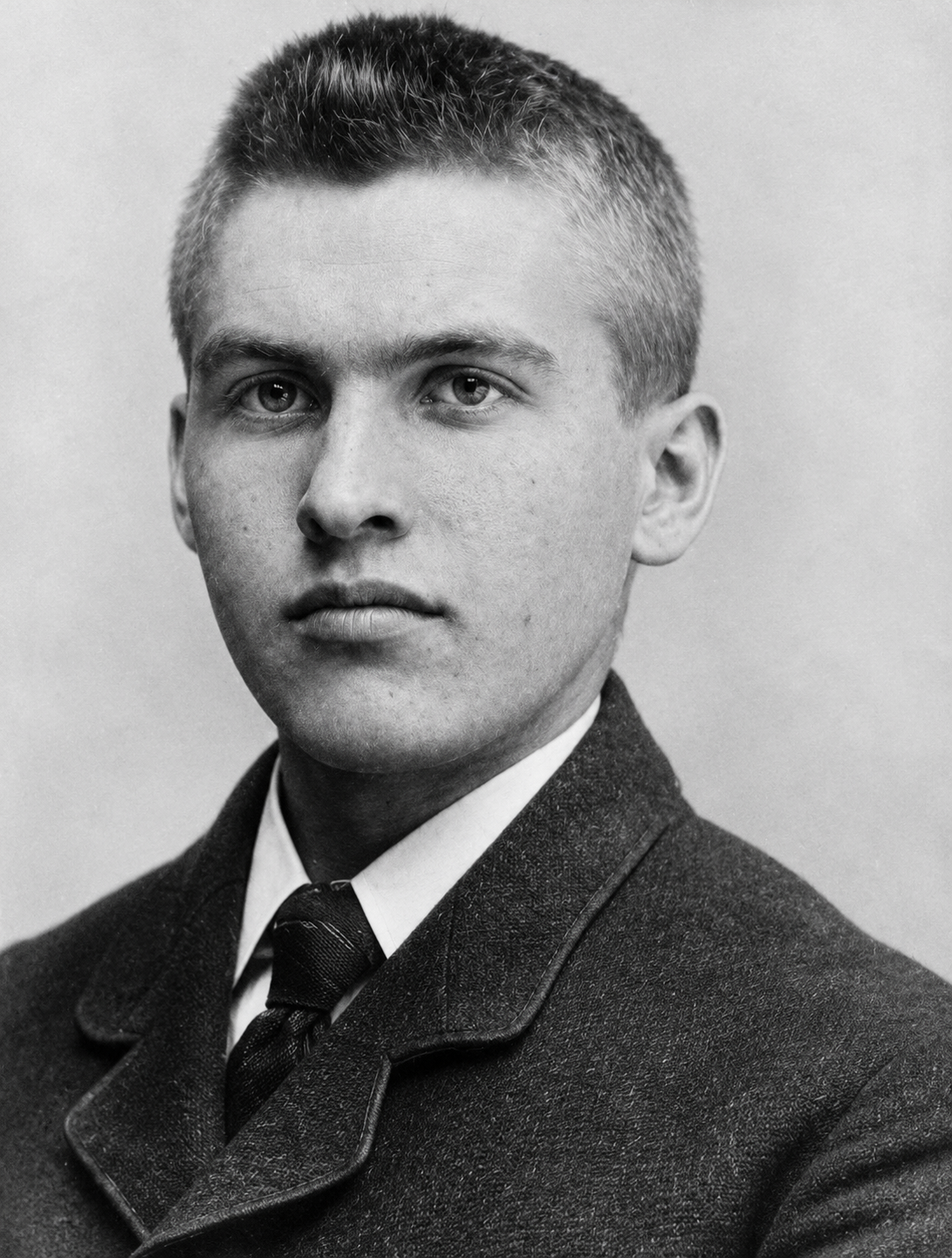
On the morning of 11 November 1918, Private George Edwin Ellison had survived more than four years of the First World War. A husband, father and former coal miner, he had endured a conflict that had killed so many of the men around him. Now, with the fighting approaching its end, the forty-year-old Yorkshireman was on patrol near Mons in Belgium. At about 9.30am, a German bullet killed him. Just ninety minutes later, the Armistice came into effect. Ellison is remembered as the last known British soldier killed in action in the First World War.
Born in York in 1878, George later made his home in Leeds. He had served in the regular Army before returning to civilian life, marrying Hannah Maria Burgan in 1912 and working as a miner. Their son, James Cornelius, was born on 16 November 1913. When war came in 1914, George was recalled as a reservist to the 5th Royal Irish Lancers, leaving behind a wife and a baby son.
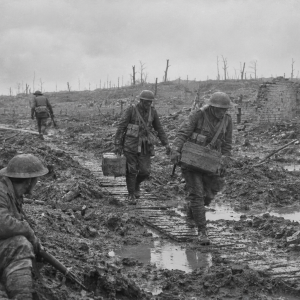
His service took him through the long years of fighting on the Western Front, including Ypres, Loos and Cambrai. By November 1918, the German Army was retreating and Allied troops were advancing through territory that had been occupied for years. Around Mons, where British troops had fought at the beginning of the war, soldiers were still encountering armed resistance in its final hours.
Early that morning, Allied and German representatives had signed the Armistice in a railway carriage near Compiègne in France. But signing the agreement did not bring an immediate halt to the fighting. The ceasefire was set for 11am, allowing time for orders to reach the forces involved. Until then, troops remained exposed to artillery, machine guns and rifle fire. An agreement had been reached, but men were still being killed.
Ellison was caught in those final hours. His squadron was operating alongside Canadian infantry near the woods at Havré. A patrol encountered German troops and came under machine-gun fire. An attempt to capture the enemy gun failed, and the cavalrymen began leaving the wood to allow the infantry to take over. At about 9.30am, a shot struck Ellison and he fell from his horse, killed on the spot.
His death is commonly attributed to a German sniper. The surviving accounts do not establish what George himself knew about the signed Armistice. What is certain is that he died while carrying out his duties, with only an hour and a half remaining before the ceasefire.
Back in Leeds, Hannah had lost her husband and James had lost his father. Five days after George’s death, the little boy turned five. While crowds celebrated the Armistice, families such as theirs faced a loss that peace could never repair.
Ellison was buried at St Symphorien Military Cemetery near Mons. In a poignant coincidence, his grave faces that of Private John Parr, generally recognised as the first British soldier killed in action on the Western Front in August 1914. The positions of their graves were not deliberately arranged to mark that connection. Only a few yards separate two men whose deaths stand at opposite ends of Britain’s fighting on the Western Front.
George Ellison was not the last soldier of any nationality to die before the ceasefire; others were killed after him. His place in history is as the last known British soldier killed in action. Behind that distinction was an ordinary man who had survived years of war, only to lose his life on the morning peace finally arrived.