RAF Regiment
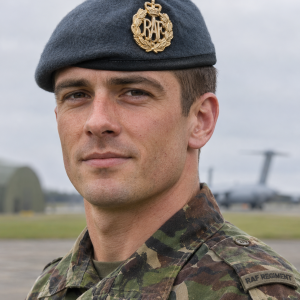
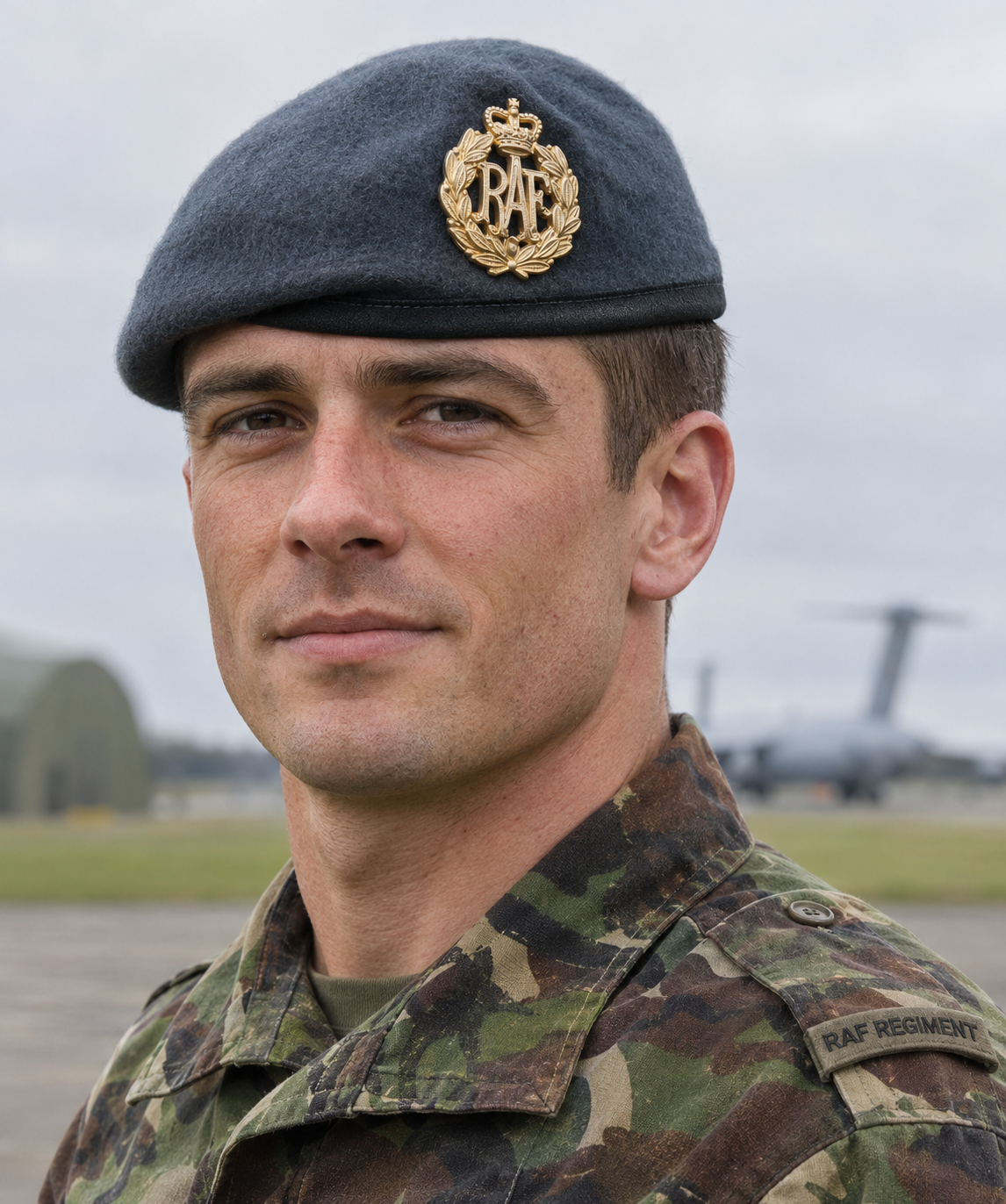
On 1 February 1942, the Royal Air Force Regiment was formed by Royal Warrant, giving the RAF a dedicated fighting force to defend its airfields, aircraft and personnel against attack on the ground and from the air. Its creation followed hard lessons during the opening years of the Second World War, when events had shown that an air force could lose its ability to fight without its aircraft ever leaving the ground.
Before the war, the British Army held primary responsibility for airfield defence. However, once fighting spread across several fronts, Army commanders faced competing demands for troops. The RAF also had its own ground defence personnel, but their organisation and training needed improvement. Airfields required men who understood their particular vulnerabilities and could remain committed to protecting them while flying operations continued.
The German advance through France in 1940 exposed how quickly airfields could be threatened by mobile ground forces. The Battle of Britain then brought repeated attacks on RAF stations. A still more dramatic warning came during the invasion of Crete in May 1941. German airborne troops secured Maleme airfield, allowing transport aircraft to bring in reinforcements. Possession of the airfield helped turn the battle in Germany’s favour and demonstrated the strategic consequences of losing an operational air base.
Winston Churchill pressed for airmen to be properly armed and prepared to defend their stations. The Findlater Stewart Committee examined the problem and recommended creating a dedicated RAF aerodrome defence corps. This would give RAF commanders greater control over the protection of their own installations while releasing Army troops for other duties. The resulting force received the title Royal Air Force Regiment.
The new Regiment drew its initial manpower from the RAF’s existing Ground Defence Branch. Training schools developed its personnel into specialist fighting troops, with instruction in infantry tactics, weapons, fieldcraft and the defence of airfields and other installations. Depending on their unit’s role, men also trained as armoured car crewmen or anti-aircraft gunners. They belonged to the Royal Air Force, with their fighting role organised around the needs of air operations.
Their purpose extended beyond standing sentry at an entrance. Ground defence could involve patrolling, establishing defensive positions, confronting enemy troops and counter-attacking against attackers threatening an airfield. Anti-aircraft units provided another layer of protection against low-flying aircraft. Aircraft, radar and communications installations needed safeguarding if squadrons were to keep operating. Training in India also prepared men for the demanding conditions of the war against Japan.
The Regiment adopted the motto “Per Ardua”, meaning “Through Adversity”. Its badge featured crossed Lee-Enfield rifles surrounded by an astral crown, combining the weapons of ground combat with an emblem of its connection to the air service.
The RAF Regiment’s service continued long after 1945, including operations in the Falklands, Kuwait, the Balkans, Iraq and Afghanistan. Its methods and equipment developed, but the reason for its formation remained fundamental: aircraft need secure bases and protected support facilities to carry out their missions. Born from the costly lessons of the Second World War, the RAF Regiment was created to help ensure that the RAF could keep fighting in the air by defending it on the ground.