V.C Medal John Harper
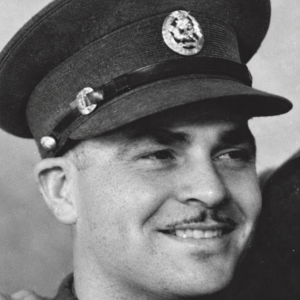
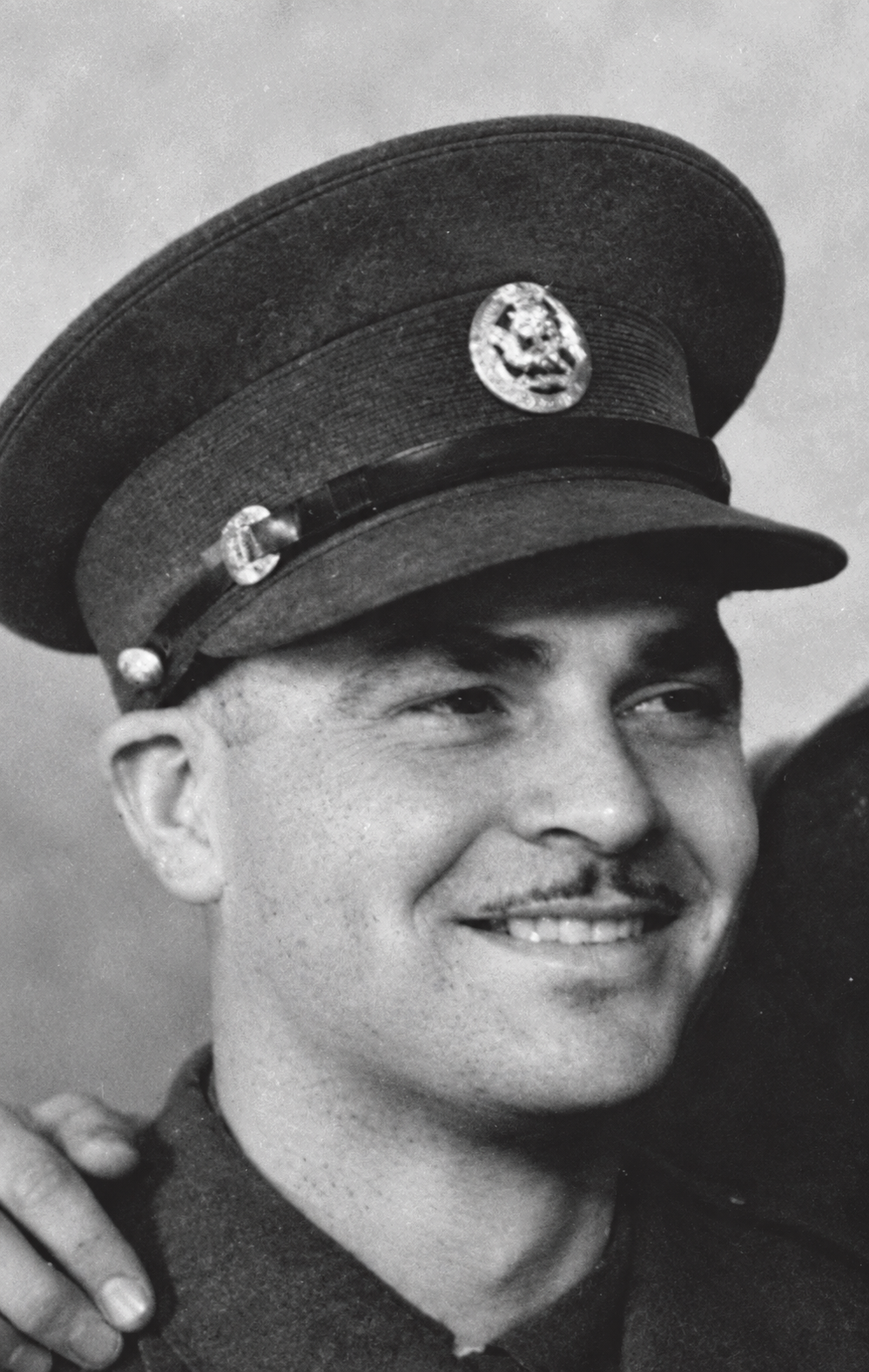
On 29 September 1944, Corporal John William Harper was killed while leading an attack on a German position at Merksplas in Belgium. He was 28 years old. His courage that morning earned him a posthumous Victoria Cross, but in his home village of Hatfield Woodhouse, near Doncaster, he was remembered first as a son, husband and neighbour who had grown up and worked among them.
John was born on 6 August 1916, the eldest of four children of George Ernest and Florence Harper. The family lived in Slay Pits Lane, and John attended the local school at Hatfield Woodhouse. His father had served in the Royal Garrison Artillery during the First World War and later worked cutting peat. When John left school, he joined him on the peat moors around the village. It was hard, physical work, carried out in the open air on the flat land east of Doncaster. Before the next war drew him away, this was the life he knew.
In 1937 John married Lily Marshall, a local woman, and they made their home in nearby Thorne. He enlisted in the York and Lancaster Regiment in April 1940, as the war in Europe intensified. By September 1944 he was a corporal with its 4th, or Hallamshire, Battalion, commanding a section of men. The battalion was then fighting through Belgium after the Allied advance from Normandy. Although Antwerp had been liberated earlier that month, German forces still held positions across the region, and the fighting to clear them continued.
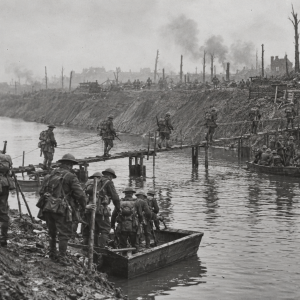
The battalion’s objective on 29 September was the Depot de Mendicité at Merksplas, a former workhouse defended by German troops. An earthen wall and a *blocked text* protected the position. To reach the wall, the attackers had to cross about 300 yards of flat, exposed ground under mortar and small arms fire. Harper commanded the leading section. He took his men forward across that open stretch and reached the wall, where they killed or captured the Germans holding its near side. When his platoon commander was seriously wounded, Harper took command of the platoon as well.
The danger increased at the wall. German soldiers on the far side began throwing grenades over it, preventing Harper’s men from advancing. Harper climbed over alone and attacked them with grenades while under close range fire. He took four prisoners and drove the others back. He then crossed the wall again to investigate whether his platoon could get through the *blocked text* beyond it, but found the water barrier too deep and wide at that point. Returning to his men, he received orders to establish them on the enemy side of the wall. For a third time he went over alone. He found empty German weapon pits, fired to cover his section and called the men across to shelter. Their foothold helped the rest of the company cross the exposed ground and reach the wall.
Harper still needed to find a way past the *blocked text*. Leaving his platoon with a senior section commander, he moved along its bank under machine gun fire until he made contact with troops attacking on the right. They had found a ford. He headed back across the open ground to guide his company commander to the crossing, but a bullet struck him as he gave the directions. He died beside the *blocked text*. His final journey had secured the information the battalion needed to continue its attack. The official citation credited the success of the assault in large part to his bravery and self-sacrifice.
Harper’s Victoria Cross was announced in January 1945 and later presented to Lily. He lies in Leopoldsburg War Cemetery in Belgium. Back in Yorkshire, his name is remembered at Hatfield Woodhouse and in Hatfield, while a memorial also marks the site of the action at Merksplas. The connection between the two places has endured: Hatfield and Merksplas established a formal town twinning in 2010, rooted in the memory of the young corporal whose last actions helped free the Belgian town.
His Medal can be seen at the York and Lancaster Regiment Museum in Rotherham S.Yorkshire.