On this day in military history…
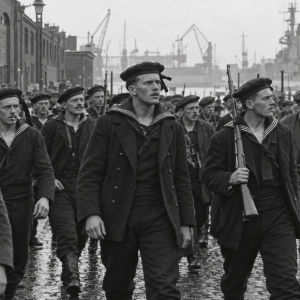
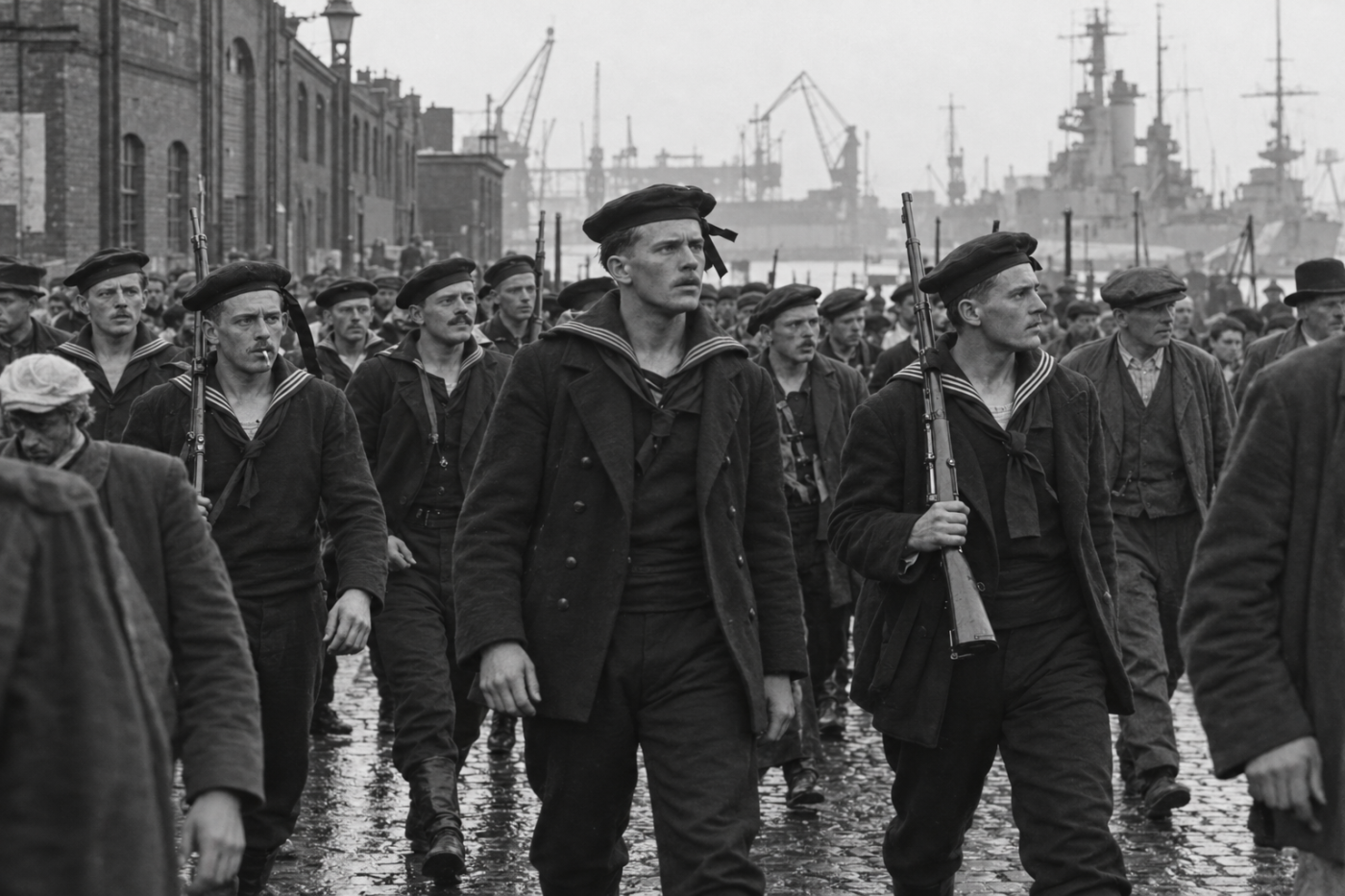
On 3 November 1918, gunfire broke out on the streets of the German naval port of Kiel. Sailors and workers demanding the release of imprisoned comrades found themselves confronting armed troops. The bloodshed helped turn a protest into an uprising, setting off a chain of events that would shake Germany and help bring its imperial monarchy to an end. After four years of war, men who had served beneath the Kaiser’s battle flags were refusing to obey.
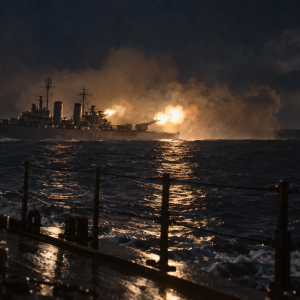
By late October, Germany’s military position was collapsing and its government was seeking an armistice. Yet senior naval commanders were preparing another major operation against the British fleet. They hoped to strike a final blow at sea, despite the danger of heavy losses and the ongoing efforts to secure peace. To many sailors, the preparations suggested a voyage from which they might never return, undertaken when the war was already lost.
Resentment had been building aboard the warships. Poor provisions, harsh discipline and the gulf between officers and ordinary ratings had damaged morale. When preparations to sail intensified at Wilhelmshaven in late October, sailors aboard several ships refused orders. Their resistance forced commanders to abandon the operation. Arrests followed, and a squadron was transferred to Kiel in the hope of restoring discipline. Instead, the authorities carried the unrest into another major naval base.
The fate of the prisoners became the immediate focus of protest. Sailors gathered at Kiel’s trade union building on 1 November and sought their comrades’ release. When the authorities rejected their approach and restricted further meetings, the movement grew. Naval personnel found support among dockyard workers, trade unionists and civilians who shared their exhaustion with the war.
On 3 November, thousands assembled and marched through Kiel, demanding freedom for the prisoners, peace and better living conditions. A confrontation with a military patrol ended in shooting. Seven people were killed and 29 injured in the ensuing street fighting. The attempt to impose control had instead given the protesters a powerful reason to resist.
The following day, the revolt spread through barracks, ships and workplaces. Sailors and workers formed councils to represent them, while the military authorities struggled to find forces willing to suppress the uprising. Some troops sent to restore order joined the rebels. Admiral Wilhelm Souchon, the naval governor, was forced to negotiate and agree to the release of imprisoned sailors.
The sailors’ demands reveal how far the movement had developed. Their fourteen points called for freedom of speech and the press, an end to mail censorship, better treatment by superiors and protection against punishment for those returning to their ships and barracks. They also demanded that the fleet be prevented from sailing. Officers willing to accept the new arrangements could remain; those who refused were to leave their posts. Military authority was now being challenged by the men expected to obey it.
News of the uprising travelled rapidly beyond Kiel. Sailors helped carry the movement to other towns, where workers and soldiers established councils of their own. What had begun with resistance to a naval operation became part of a nationwide revolution. Germany’s rulers were facing the collapse of authority at home as well as defeat at the front.
On 9 November, the revolution reached Berlin and a republic was proclaimed. Kaiser Wilhelm II went into exile, bringing his reign to an end. The Kiel sailors had not acted alone, and their revolt was one part of Germany’s wider collapse, but they had helped turn widespread discontent into open rebellion. Within days, a campaign to free imprisoned shipmates had become a force helping to sweep away the imperial order.